We are available 24 hours a day throughout the Bay Area. Contact Us

A traditional Jewish funeral is centered on dignity, simplicity, and care for the dead (Kvod HaMet). Customs often include timely burial, gentle ritual care of the body, a simple service, and burial in the earth using natural materials.
As a sacred burial community (Chevra Kadisha), our trained staff can provide ritual preparation of the body at no cost: ritual cleansing (Taharah) and traditional shrouds or burial cloth (Tachrichim).

Jewish wisdom teaches us to move through life with humility, patience, and reverence for the natural world (Shmirat Ha’adamah). Traditional Jewish burial is inherently green—using natural, biodegradable materials and returning the body to the earth without embalming or a concrete vault. These practices closely align with today’s standards for an environmentally responsible burial.
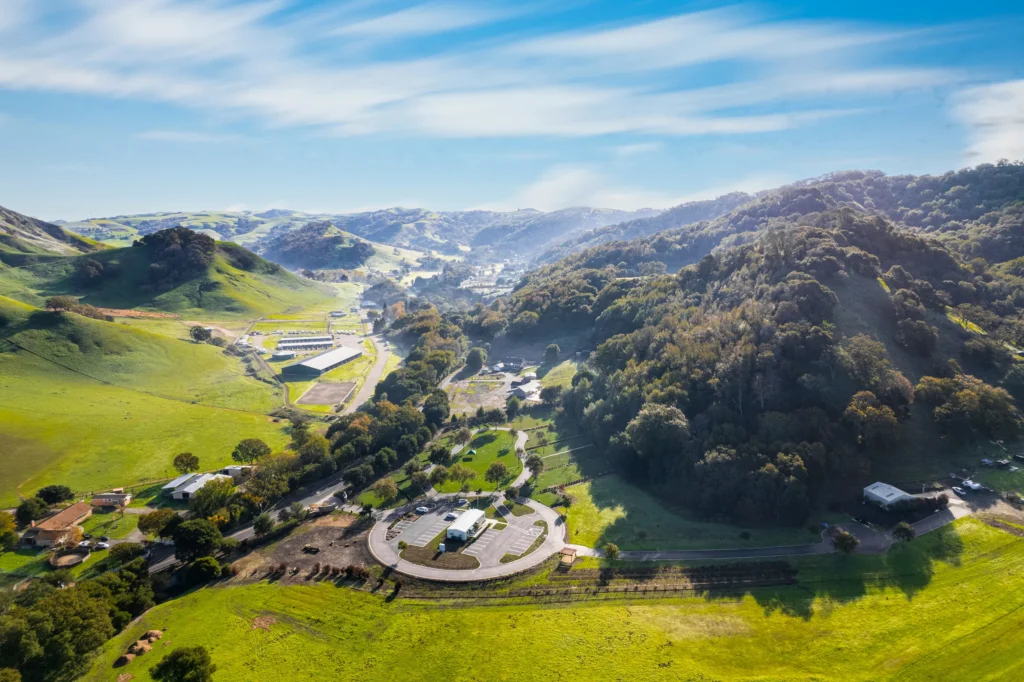
Sinai Memorial’s Eternal Home Cemetery is home to “Earth Garden” (Gan Adamah), the only certified Green Burial section in Colma.

“The arrangements were simple to make and I felt that the staff genuinely wanted to make this as easy as possible. We all will face a day when we bury a loved one. To know a place like Sinai cares and honors the deceased and family so well convinced me to call them when the time comes.”
— James C., Yelp ReviewerParticipating in burial—often by placing earth on the casket—is a powerful Jewish custom. It is considered an act of true kindness for the dead (Chesed Shel Emet). Many people find this moment deeply grounding, marking the reality of loss and the beginning of mourning.
The answer varies based on what eco-friendly factors–energy use, air pollution, and giving back to the earth–are most important to you and your family or chosen family.
Green Burial is considered by many Jews to be the most direct continuation of traditional Jewish burial, while also addressing modern environmental concerns, such as no embalming, plastic caskets, or vaults. Due to the natural decomposition process, there are no chemicals and emissions and your body returns to the earth.
Cremation is often perceived as “green,” but the environmental impact is more complex. Cremation typically requires significant energy and produces emissions. From a traditional Jewish and ecological perspective, green burial is often considered more aligned with natural cycles and environmental sustainability.
Water Cremation uses water, heat, and alkalinity instead of flame and uses about 90% less energy than cremation. There’s no air pollution or mercury emissions, and you will be left with a white bone ash similar to cremains. While Sinai Memorial does not currently offer aquamation, we are available to help you explore this option thoughtfully.
Human Composting uses woodchips, straw, and airflow in a controlled facility for a 2-3 month period of time to transform a body into rich soil. The process requires energy input and releases carbon emissions, but far less than cremation. You can choose to use the soil or donate it to conservation efforts. While Sinai Memorial does not currently offer human composting, we are available to help you explore this option thoughtfully.
Conversations about death care practices can be emotional and complex. Sinai Memorial is here to listen, explain the laws, and guide you to speak with a Jewish ritual leader, not to rush decisions.
Whether you are planning ahead or navigating a recent death, our Funeral Directors can help you understand: